
The phrase Eames Barcelona Chair history often sparks curiosity, confusion, and debate among furniture lovers, students, and design historians alike.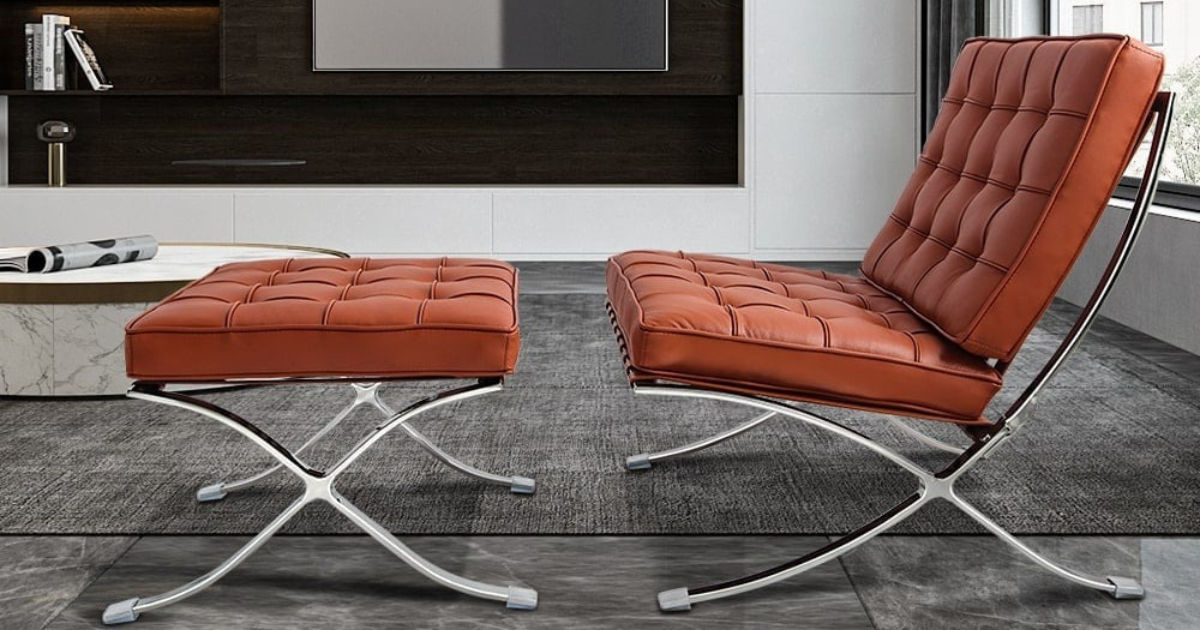
Many people encounter the name online or in showrooms and assume the famous Barcelona Chair was designed by Charles and Ray Eames. In reality, the story is more complex and far more interesting. Understanding the Eames Barcelona Chair means exploring modernist design, mid-century furniture culture, branding myths, and how iconic chairs become misattributed over time.
This guide breaks down the full Eames Barcelona Chair history in clear, simple language. We will explore where the confusion comes from, who really designed the Barcelona Chair, how the Eames name became linked to it, and why this misunderstanding still exists today. By the end, you will have a complete and accurate understanding of the topic.
Confusion Around the Name
Why People Search for Eames Barcelona Chair History
The Eames Barcelona Chair history is often searched because both names—Eames and Barcelona Chair—are deeply associated with modern furniture. Charles and Ray Eames are among the most famous designers of the 20th century, while the Barcelona Chair is one of the most recognizable chairs ever made. When two powerful design names exist in the same era, confusion becomes almost inevitable.
Furniture retailers, blogs, and casual conversations sometimes blend these names unintentionally. Over time, repeated mistakes online have strengthened the belief that the Barcelona Chair is part of the Eames design legacy, fueling interest in the Eames Barcelona Chair history.
The Importance of Clearing the Record
Studying the Eames Barcelona Chair history is not about pointing out errors—it is about understanding how design history is shaped. Misattributions tell us a lot about branding, fame, and how people remember creative work. This topic also helps students learn how to verify sources and appreciate designers for their true contributions.
The True Origin of the Barcelona Chair
Who Actually Designed the Barcelona Chair?
To understand the Eames Barcelona Chair history, we must begin with the truth. The Barcelona Chair was designed in 1929 by Ludwig Mies van der Rohe, in collaboration with Lilly Reich. It was created for the German Pavilion at the International Exposition in Barcelona, Spain.
The chair was intended to seat Spanish royalty during the opening ceremony. Its elegant form, stainless steel frame, and leather cushions represented luxury, power, and modernism. This origin is a key foundation when analyzing the Eames Barcelona Chair history.
The Design Philosophy Behind the Chair
Mies van der Rohe followed the principle “less is more.” The Barcelona Chair reflects this idea through clean lines, balanced proportions, and minimal decoration. The design was inspired by ancient Roman folding stools, updated with modern materials and craftsmanship.
Although the chair is often linked to the Eames Barcelona Chair history, its design philosophy is very different from that of Charles and Ray Eames, who focused more on comfort, mass production, and affordability.
Who Were Charles and Ray Eames?
Their Role in Modern Design
Any discussion of the Eames Barcelona Chair history must include an understanding of Charles and Ray Eames themselves. The Eameses were American designers best known for their innovative furniture, films, exhibitions, and architecture. Their work emphasized human-centered design and practical beauty.
They believed good design should be accessible to ordinary people, not just elites. This belief shaped their chairs, tables, and storage systems, making them fundamentally different from the Barcelona Chair’s original purpose.
Famous Eames Chair Designs
The Eames Lounge Chair, Eames Molded Plywood Chair, and Eames Plastic Chair are all authentic examples of Eames furniture. These designs are often confused with the Barcelona Chair, leading many people to search for Eames Barcelona Chair history despite there being no direct design link.
How the Misattribution Began
The Rise of Mid-Century Modern Popularity
During the mid-20th century, modern furniture gained mainstream popularity. As Eames designs entered homes, offices, and schools, their name became almost synonymous with modern chairs. This cultural dominance played a major role in shaping the Eames Barcelona Chair history misconception.
When people saw sleek leather chairs with metal frames, they often assumed the Eameses were behind them, even when they were not.
Online Retail and Marketing Errors
Many websites selling replicas or inspired furniture have incorrectly labeled Barcelona-style chairs as “Eames Barcelona Chairs.” These errors spread quickly through search engines and social media, reinforcing the false narrative behind the Eames Barcelona Chair history.
Once a mistake appears in enough places, it starts to feel like fact, even when it is not.
Comparing Design Styles: Eames vs. Barcelona Chair
Materials and Construction
Examining materials helps clarify the Eames Barcelona Chair history confusion. The Barcelona Chair uses polished stainless steel and hand-tufted leather cushions. Early versions were handmade and extremely expensive.
Eames chairs often used molded plywood, fiberglass, aluminum, and later plastics. They were designed for efficient production and wider distribution, which contrasts sharply with the Barcelona Chair’s exclusivity.
Comfort and Function
The Barcelona Chair prioritizes visual elegance over ergonomic comfort. It was not originally designed for long sitting sessions. In contrast, Eames chairs were engineered to support the human body comfortably for extended periods.
This difference further explains why the Eames Barcelona Chair history is rooted in misunderstanding rather than shared design intent.
The Role of Knoll in the Story
Knoll’s Licensing of the Barcelona Chair
Knoll, a major furniture manufacturer, began producing the Barcelona Chair in the mid-20th century under license from Mies van der Rohe. Knoll also produced many modernist designs that existed alongside Eames furniture in offices and public spaces.
This overlap contributed indirectly to the Eames Barcelona Chair history, as consumers began associating all modernist chairs with a small group of famous designers.
Branding and Public Perception
Knoll’s branding emphasized timeless modern design. As a result, people often grouped designers together in their minds. This mental shortcut made it easier for the Eames Barcelona Chair history myth to take hold.
Why the Name Still Persists Today
Search Engines and Repetition
Search engines reward popular phrases, not accurate ones. Because many people search for Eames Barcelona Chair history, the phrase continues to appear online. This repetition keeps the myth alive.
Correct information exists, but it is often buried under pages repeating the same mistake.
Cultural Shortcuts in Design History
People like simple stories. It feels easier to attach a famous name like Eames to an iconic chair than to remember multiple designers. This human tendency plays a big role in why the Eames Barcelona Chair history continues to circulate.
Educational Value of the Misunderstanding
Learning to Question Sources
The Eames Barcelona Chair history is a useful case study for students. It teaches the importance of checking facts, comparing sources, and understanding context. Design history is not just about objects—it is about ideas, people, and cultural memory.
Respecting Designers’ Legacies
Giving proper credit matters. Understanding the real Eames Barcelona Chair history honors both the Eameses and Mies van der Rohe for their unique contributions rather than blending them into a single narrative.
Modern Replicas and the Name Game
Replica Furniture and Labeling
Replica manufacturers often use popular keywords to attract buyers. The phrase Eames Barcelona Chair history appears frequently in product descriptions, even when it is inaccurate. This practice boosts sales but damages historical understanding.
The Difference Between Inspiration and Authorship
Some chairs are inspired by both Eames and Barcelona design elements. However, inspiration does not equal authorship. Recognizing this distinction is essential when studying the Eames Barcelona Chair history.
The Barcelona Chair in Museums and Pop Culture
Museum Recognition
Major museums credit Mies van der Rohe and Lilly Reich as the designers of the Barcelona Chair. These institutions help correct the Eames Barcelona Chair history narrative by presenting verified historical records.
Appearances in Media
The Barcelona Chair often appears in movies, TV shows, and corporate offices as a symbol of sophistication. These appearances rarely mention the designer, allowing the Eames Barcelona Chair history myth to continue unchecked.
Why This Topic Still Matters
Design Literacy in Everyday Life
Understanding the Eames Barcelona Chair history improves design literacy. It helps people recognize quality, originality, and the thought behind everyday objects.
Preserving Accurate Design History
Design history shapes how future designers learn and innovate. Keeping the Eames Barcelona Chair history accurate ensures that inspiration is built on truth rather than error.
Conclusion
The Eames Barcelona Chair history is not the story of a single designer or a single chair. It is the story of how modern design became popular, how famous names gained cultural power, and how repetition can turn mistakes into “facts.” The Barcelona Chair was designed by Ludwig Mies van der Rohe and Lilly Reich, not Charles and Ray Eames. Yet the Eames name became linked to it through fame, marketing, and public assumption.
Understanding the Eames Barcelona Chair history teaches us to look deeper, ask better questions, and respect the individuality of designers. It reminds us that good design history is not about shortcuts but about clarity. When we take the time to learn the truth, we gain a richer appreciation for modern furniture and the people who shaped it.
In the end, the real value of studying the Eames Barcelona Chair history lies not in correcting a name, but in understanding how design, culture, and memory interact. That knowledge stays with us far longer than any label ever could.